What is your Return on Customer Investment?
CFOs like profitability numbers; customer experience leaders speak in soft benefits. The gap is why so many CX proposals never get funded. Return on Customer Investment is the business approach that bridges that gap, turning satisfaction, retention and education investments into hard ROI numbers a CFO can take to the board.

CEOs and CFOs take a liking to seeing numbers; especially profitability numbers. So if you can’t speak their language and convert your project or proposal into numbers that talk to them; you can pretty much bet your chances of having it approved are slim to none.
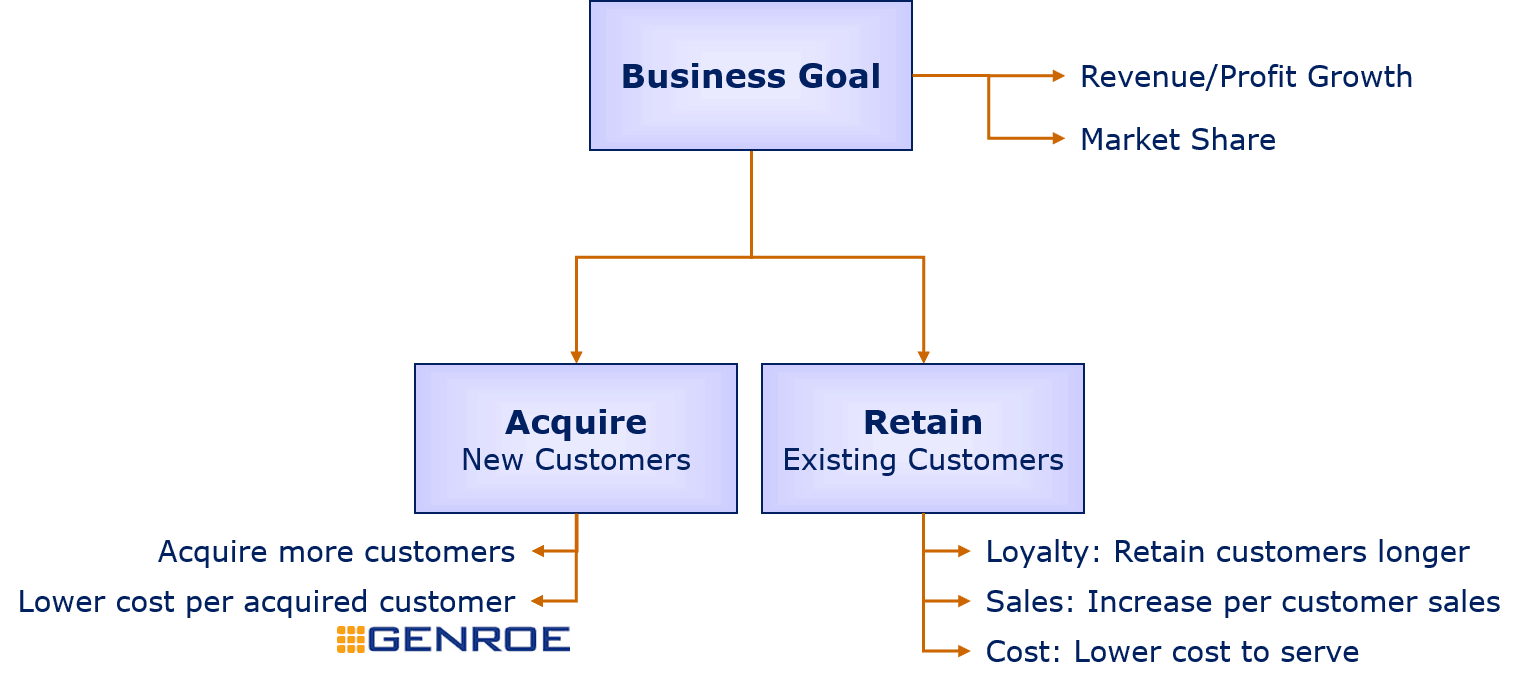
Fortunately, there’s a great approach that allows you to provide the facts you can take to your CEO or CFO; the Return on Customer Investment. It’s a business approach that looks at all of your customer focused investments and puts hard return on investment facts behind them.
Return on Customer Investment allows you to justify many types of customer focused investments including for example:
Customer Satisfaction
The greater the customer satisfaction, the greater profit…right? The answer is obvious but it’s so soft and difficult to relate to profit. There are several approaches that can be used to develop hard business cases for investment in customer satisfaction.
However, Net Promoter Score has been shown to be closely align to future customer loyalty.
Customer retention
So how would you go about justifying investing in existing customers? There are several approaches to return on customer retention models that look at the opportunity cost rather than the acquisition revenue of retention campaigns.
Download a free simplified customer lifetime value and return on customer retention calculator and see what your upside looks like.
Educational campaigns
Here is another type of campaign that you know makes sense but just doesn’t stack up by itself. Product benefit education is used by lots of different organisations including banks to provide lift to other campaign types.
The approach is to develop regular contact to educate the customers in this group on the ways that you can benefit them and help them to under stand their financial needs. For example banks can educate customers on how to obtain and grow wealth from their first day as a customer. To check for these on a regular basis, customer education can be built into the call quality monitoring.