The Benefits and Disadvantages of Customer Journey Mapping
Customer journey mapping is having a moment, and the moment includes some genuine disadvantages most enthusiastic write-ups skip. Here are the real advantages (retention, cost reduction, better cross-functional comms) honestly weighed against the disadvantages, so you can decide whether journey mapping is worth the time and money in your business right now.
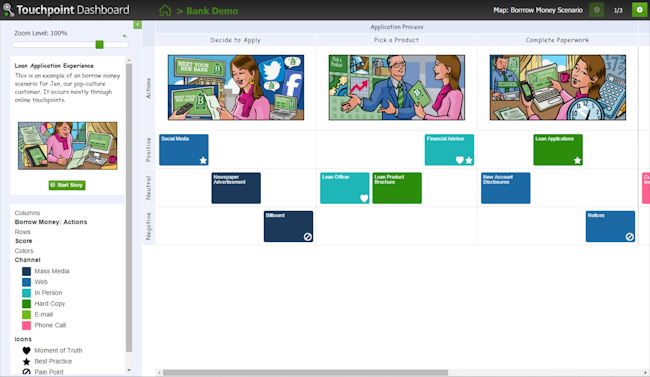
Customer journey mapping is a process to visualise and understand customer’s experience with a company. It involves identifying customer’s needs and emotions at each stage of the customer’s interaction with the company. The goal of customer journey mapping is to reduce customer effort, increase customer loyalty, and identify improvements in the customer experience.
Although customer journey mapping can be extremely beneficial, there are also some potential drawbacks that should be considered.
In this post we review both the advantages and disadvantages of using customer journey mapping in your business.
Advantages of Customer Journey Mapping
Increased Customer Value
As with any task a company undertakes it must, in the end, generate business value. Creating a journey map is a cost to the business but it enables the organisation to increase company value in several ways.
Improved Customer Retention
Companies use journey maps to improve the customer experience and loyalty
Lower Costs
Often an improvement in an aspect of the journey or customer experience has the side benefit of lowering costs. For example at SmartGroup improved staff training that helped customers also lower staff turnover and recruitments costs.
Improved Customer Acquisition
Again improvements in the customer experience can lift acquisition rates, resulting in faster growth.
Improved Internal Communications
Perhaps the most tangible benefit of customer journey maps is their ability to clearly communicate the customer experience within the organisation.
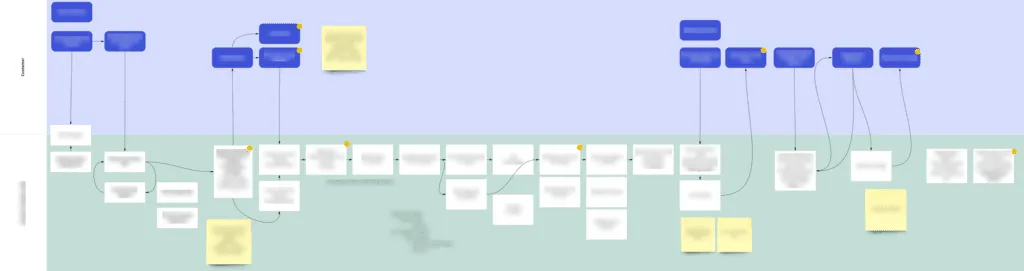
Customer Journey Maps Communicate The Process Within The Organisation
The very process of creating a journey map forces people within the organisation to clarify and agree on what the customer experience is and how the organisation delivers that experience. That clarification includes consistent definitions of what happens in each part of the process.
In our Customer Journey Mapping workshops I often hear participants exclaim they “didn’t know that’s what happened in that part of the business.”
The map communicates what is expected and performed by each of the teams and systems in the organisation allowing clear and consistent communication: it is effectively another team communication app that help drive cross functional communication.
Forces Cross Functional Communication / Reduces Silos
Because the map takes the perspective of the customer not the organisation, people from all parts of the organisation must come together to build and maintain the journey map. This shared purpose drives meaningful interactions between groups and teams that may not normally do so.
In this way it often becomes an important element of the cultural change process needed for successful customer experience programs.
Identifies Customer Pain Points That Reduce Customer Loyalty
Having documented the customer experience journey, pain points for the customer and organisation become obvious.
Process gaps, opportunities for mis-communication and other customer annoyances are easier to see when the customer journey is mapped from end to end. This is information can be directly used to drive business improvement projects.
Identifies Cost Reduction Opportunities
It’s not often discussed but improvements in the customer journey can deliver substantial reductions in organisational cost.
Manheim reduced calls to their service desk by 30+% with a simple change in their post-order processes which was uncovered through analysis of customer input to their customer journey.
Again by clearly documenting what is happening problems and opportunities become easy to see.

View the entire Manheim Case Study
Enhanced Ability to Anticipate Customer Needs
Customer journey mapping can help your team anticipate customer needs, enabling you to be proactive in responding to customer requests.
Disadvantage of with Customer Journey Maps
That is not to say that customer journey maps are perfect. Here are some disadvantages to customer journey maps.
Journey Maps Need to Be Acted Upon.
This is not so much a problem with Journey Maps as with driving change in any organisation. Creating the map itself does not create any change or improvement for the organisation, it is just a step in the process.
In order to see the full value of the map the organisations needs to use it to identify and implement opportunities for improvement.
Require Cross Functional Support
No one group within the organisation can create and maintain the customer journey map. It requires the active support of all areas.
If your organisation is very resistant to working across business silos or groups it might be difficult to create an accurate map of the customer journey.
On the other hand of course, the very act of creating the map will help break down those silos.
They Can Become Another Hidden Document
If, like so many other strategic documents, the map becomes something hidden in a drawer and not used day to day, its ability to be a core communication document will be lost.
When selecting your customer journey mapping software ensure that it has the ability to provide shared access and updates so the map “lives” in the organisation.
You Might Need Multiple Maps for Different Personas
Where their journey’s differ, a good customer journey map is centred around a specific customer persona or personas. This means that you might need to create more than one map to cater for those different personas.
But be cautious, just because you have different personas does not necessarily mean you need different maps. If the journeys customers undertake are the same or very similar, you do not need to create a unique map for each.
Customer’s Don’t Always Follow the Map
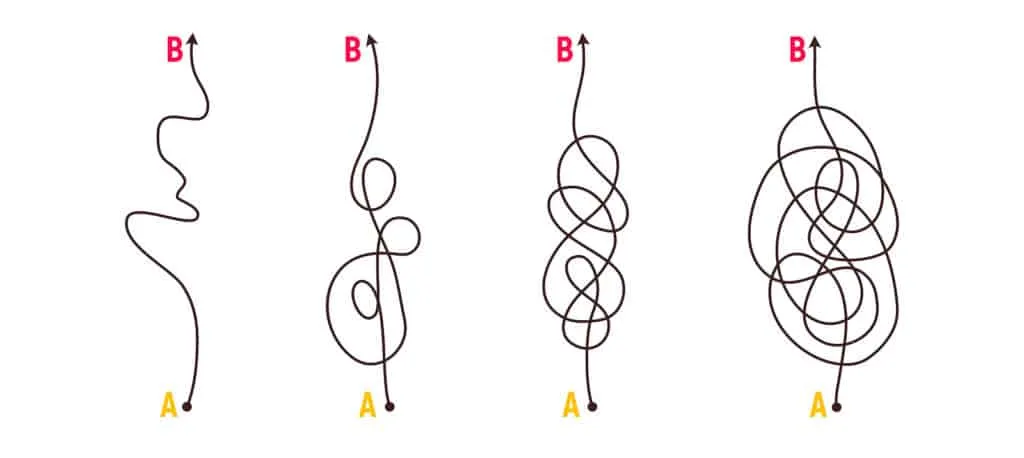
Customer’s Don’t Always Follow the Journey Map Directly From A to B!
It would be nice if every customer consistently followed the map you uncover, however complex, but that’s not the reality.
Customers will often skip steps, loop back and re-do steps, etc.
As technology evolves and, especially, as the buyer journey the becomes more fragmented customers will more often take detours through your map.
Again this doesn’t mean the map is not useful, just that you need to adjust your expectations of how “perfectly” it matches every customer’s experience.
Potential for Data Overload
With modern computer and telephony systems it’s easy to collect and store data. The problem is just becuase you can collect a piece of data doesn’t mean it’s important in the customer journy.
And if unimportant data is collected and analysed, it can be difficult to draw meaningful conclusions and make decisions.
It’s important that you don’t collect any and all data, just in case it’s important.
Instead you should at least have a hypothesis as to how each piece of data might be important to the customer experience before you start collecting it.